Dirt Under Your Nails at 2 PM: Why Weekday Afternoon Gardening Is the New Decompression Ritual
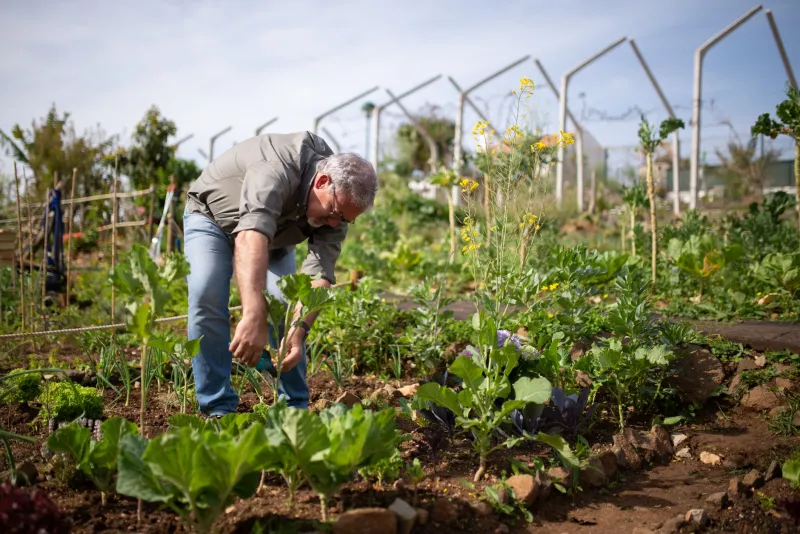
There's a particular kind of afternoon light — that warm, slightly golden slant you get around 2 or 3 PM in late spring — that makes a raised garden bed look almost unreasonably inviting. And more Americans are noticing it. Not on weekends, when the to-do list is already three pages long and the hardware store parking lot is a contact sport, but on a random Tuesday. A slow Wednesday. A Thursday when the calendar finally blinked and gave them ninety free minutes.
Weekday afternoon gardening is having a moment — and it's not just a hobby trend. It's starting to look a lot like a cultural shift.
The Weekend Garden Was Never That Relaxing Anyway
Here's the thing nobody really admits: weekend gardening, for most people, is stressful. You're squeezing it between errands, family obligations, and the low-grade guilt of not doing the other seventeen things on your list. You rush. You overdo it. You pull something in your lower back moving a bag of compost and spend Sunday evening on the couch with a heating pad.
Weekday afternoons, by contrast, offer something rarer — actual breathing room. The community garden isn't crowded. The nursery has staff who can actually talk to you. The sun is at a workable angle, not beating straight down like it does on a July Saturday morning. And crucially, you're not trying to finish. You're just... tending.
That distinction — tending versus finishing — turns out to matter a lot psychologically.
What the Research Is Starting to Say
Horticulture therapy isn't new, but the science backing it up has gotten sharper in recent years. Studies published in journals like Landscape and Urban Planning and research out of institutions like the University of Florida's IFAS Extension have pointed consistently toward the same finding: time spent gardening — even in short, regular sessions — measurably reduces cortisol levels and self-reported stress. The tactile engagement (soil texture, plant resistance, the physical rhythm of weeding or watering) activates what researchers sometimes call "attentional restoration" — essentially, your brain gets a genuine break from the kind of directed, screen-based focus that dominates most modern workdays.
That 2 PM wall that hits so many office workers? Turns out a 60- to 90-minute gardening session can reset it more effectively than a third cup of coffee. Several remote workers interviewed for this piece described building their schedules around exactly that logic.
"I started treating my community garden plot like a meeting I couldn't cancel," says Dana R., a freelance UX designer based in Austin who holds a plot at a local community garden near her home in the Mueller neighborhood. "I go Tuesday and Thursday afternoons, usually from about 1:30 to 3. My afternoon work sessions after that are genuinely better. I'm more focused. I think I'm actually more creative."
The Rise of the Daytime Garden Space
City planners and community organizations are starting to catch on. Across the US, a quiet redesign is underway at community gardens, urban farm spaces, and even some corporate campuses — one that prioritizes weekday daytime access rather than treating it as an afterthought.
In cities like Denver, Portland, and Philadelphia, community garden networks have expanded their weekday programming significantly in the past three years. Some plots now come with what organizers are calling "flex hours" — structured midday access windows designed specifically for remote workers, part-time employees, and anyone with a non-traditional schedule. A few gardens in larger metros have even started partnering with local employers to offer subsidized plot memberships as a workplace wellness benefit.
Rooftop and indoor urban gardening spaces are also getting in on the action. Facilities that once operated primarily on weekends are opening their doors on weekday afternoons and seeing strong uptake. The audience isn't who you might expect — it skews younger, more urban, and more likely to be squeezing the session in between a morning of video calls and a late afternoon deadline.
"We added Wednesday and Thursday afternoon hours almost as an experiment," says the manager of one rooftop garden collective in Chicago's Logan Square neighborhood. "Within two months it was our busiest time slot. People are looking for something physical, something real, in the middle of their digital day."
You Don't Need a Yard — Or Even a Plot
One of the more interesting dimensions of this trend is how accessible it's become. You genuinely don't need a backyard, a green thumb, or even a lot of money to get into weekday afternoon gardening. Container gardening on a balcony or windowsill costs almost nothing to start. Community garden plots in most US cities run anywhere from $25 to $75 a season — less than a month of a streaming subscription. And the learning curve, especially with the abundance of free resources online, is gentler than most people assume.
For beginners, afternoon sessions actually offer a practical advantage: you can observe your plants in natural light, catch early signs of pests or drought stress before they become problems, and get a feel for how your specific microclimate behaves during the day. Morning and evening gardening — the traditional slots — are fine, but the afternoon reveals things the other times of day don't.
The Slower Rhythm of It All
There's also something worth naming that's harder to quantify: the pace of afternoon gardening just feels different. The urgency that attaches itself to almost everything else in modern American life — the notifications, the deadlines, the constant low hum of productivity pressure — doesn't translate well to a garden bed. Plants don't care about your inbox. Soil doesn't have a Slack status.
For a lot of people, that's the whole point.
"I spent fifteen years in tech," says Marcus T., a semi-retired software engineer in the Bay Area who now tends a large kitchen garden on his property three or four weekday afternoons a week. "I am genuinely better at being present in my garden than I ever was at being present anywhere else. It's the only place where I'm not half-thinking about something else."
That quality of presence — the kind that an afternoon in a garden seems to reliably produce — might be the real commodity here. Not the tomatoes. Not the herbs. Not even the Instagram-worthy raised beds. Just the experience of being somewhere tactile and slow in the middle of a fast, screen-saturated day.
How to Start Carving Out Your Own Afternoon Plot
If you're curious about building a weekday gardening habit, the entry points are more plentiful than ever. A quick search for community gardens in your ZIP code via the American Community Gardening Association's directory is a solid first step. Local nurseries — especially independent ones — often know about plots, shared spaces, and beginner programs that don't make it onto the big search engines.
Start small. One raised bed. One container of herbs on a south-facing windowsill. One Tuesday afternoon a week where you step away from the screen and do something with your hands that doesn't require a password.
The dirt will still be there next weekend. But that particular Tuesday afternoon light? That one's only available once.


