Daylight Sessions: How Afternoon Concerts Became the Secret Launch Pad for Music's Next Big Names
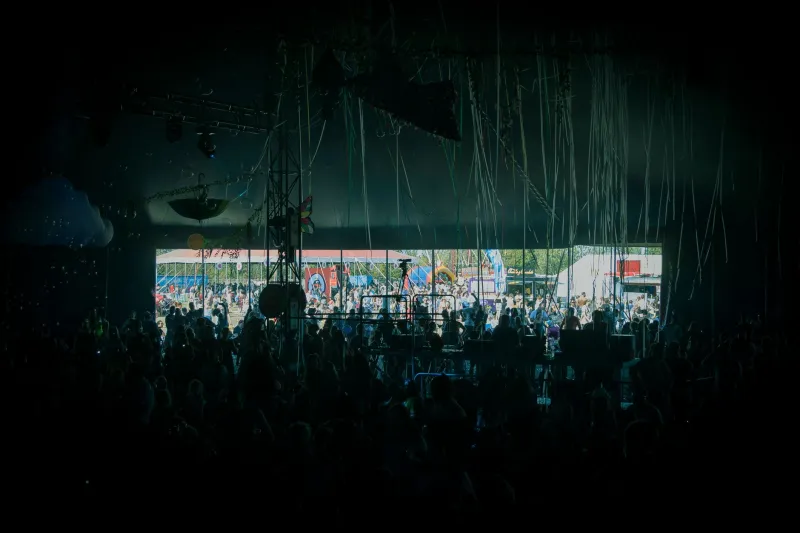
There's something almost counterintuitive about it. You'd think the best music happens after dark — under moody stage lighting, the crowd buzzing with a little liquid courage, the city humming outside. And yet, ask any serious music fan where they've had their most memorable live experience lately, and a surprising number will tell you it happened at 3 in the afternoon.
Afternoon concerts — whether they're tucked into a Tuesday slot at a 200-capacity room in Brooklyn, or anchored to the second stage at a regional summer festival — are having a genuine moment. Not just as a scheduling convenience, but as a full-blown cultural phenomenon with its own distinct energy, its own devoted crowd, and increasingly, its own claim on the future of live music.
The Slot That Nobody Wanted (Until They Did)
For years, the afternoon opening slot was considered the consolation prize of live music. You played at 2 PM because you hadn't earned the right to play at 9. Venues booked those hours out of obligation, not enthusiasm. Fans showed up — if they showed up at all — distracted and half-present.
But somewhere along the way, the math started changing.
Marcus Oyelaran, who manages a mid-sized indie venue in Austin, Texas, noticed the shift around 2022. "We started programming afternoon shows almost by accident — a touring act needed an early slot to make the drive to Dallas that night," he says. "The crowd that came out was smaller, but they were locked in. No one was checking their phone. Everyone was there for the music."
That quality of attention, it turns out, is worth a lot.
Venue operators across the country are reporting similar patterns. Afternoon audiences skew slightly older — think late 20s to early 40s — and they tend to be more intentional about their attendance. They've looked up the artist. They've listened to the EP. They're not there to socialize over the music; they're there for the music. And for emerging artists still building a name, that kind of room is invaluable.
Better Sound, Fewer Distractions
Here's a detail that musicians love to talk about: afternoon shows often just sound better.
Singer-songwriter Delia Crane, who has been grinding the regional touring circuit for three years, puts it plainly. "Night shows at small venues can get loud and chaotic. By the time the headliner goes on, the sound system has been pushed hard for hours, the room is packed and sweaty, and honestly the acoustics suffer. An afternoon set? The PA is fresh, the room isn't oversaturated with bodies, and there's this clarity to everything."
Delia played a 4 PM set at a Nashville listening room last spring. A clip from that performance — her voice cutting clean through a quiet room, no reverb mud, no crowd noise drowning her out — ended up on TikTok and racked up over 400,000 views in a week. "I've played bigger shows that felt invisible," she says. "That afternoon set changed my career."
It's a story that's becoming less of an anomaly. The acoustic conditions of afternoon venues, combined with the intimacy of smaller afternoon crowds, are creating the kind of pure, unfiltered moments that travel extraordinarily well on social media. No flashy production needed. Just an artist, a room, and people who actually want to listen.
Festival Daytime: The Real Discovery Zone
If you've been to a major American music festival in the last few years — Bonnaroo, Lollapalooza, Outside Lands, Newport Folk — you've probably noticed that the afternoon lineup is where the real treasure hunting happens.
While headliners dominate the conversation, festival programmers and hardcore attendees know that the 1–5 PM window on secondary and tertiary stages is where discovery lives. These slots are deliberately used to introduce audiences to artists on the verge of breaking through, and the format rewards curiosity.
Jamie Solis, a self-described "festival completist" from Chicago who attends at least four multi-day events a year, has a ritual: he spends the first afternoon of every festival walking between stages with no agenda. "I've found probably a dozen artists that way who I now follow obsessively," he says. "Two of them have since headlined shows I've traveled out of state to see. It all started at like 2:30 in the afternoon."
Festival bookers are leaning into this dynamic. Programming directors at regional events have started treating afternoon slots as deliberate curatorial statements rather than filler. The afternoon lineup is where you signal taste, where you say something about what music is becoming rather than what it already is.
The Crowd That Changes Everything
There's a social texture to afternoon concerts that's genuinely different from evening shows, and fans are increasingly seeking it out on purpose.
Evening concerts carry a certain social pressure. You dress up. You coordinate with friends. You navigate the post-work rush, the drink lines, the late-night logistics. Afternoon shows strip most of that away. People show up in whatever they were wearing. They come alone without it feeling weird. The bar is open but nobody's trying to close it down.
"I've had more real conversations with strangers at afternoon shows than at any other kind of live event," says Priya Nandakumar, a music teacher from Philadelphia who makes a point of catching early sets whenever she can. "There's less posturing. People are just genuinely excited about the music."
For artists, that crowd dynamic is a gift. The feedback is immediate and honest. Applause between songs feels earned rather than automatic. And when an afternoon crowd goes wild for something — really loses it for a bridge or a guitar solo they weren't expecting — it means something different than the same reaction at midnight.
Why Venues Are Doubling Down
Small and mid-sized venues, many of which are still recovering from the economic damage of the pandemic years, have discovered that afternoon programming solves several problems at once. It generates additional revenue from hours that were previously dead. It gives bookers a lower-stakes environment to take chances on unproven artists. And it builds community among a segment of music fans who can't always make late-night shows — parents, people with early work schedules, anyone who just doesn't want to be out past 11 on a Tuesday.
Some venues have gone further, building entire afternoon concert series around the concept. Monthly matinee lineups. Sunday afternoon showcases. Daytime residencies for local artists with growing followings. The programming has become a brand identity, not just a calendar filler.
Marcus Oyelaran's Austin venue now runs a dedicated afternoon series every other Saturday. "We sell it out more consistently than some of our evening shows," he says. "People have made it part of their routine. That's what you want — you want music to be part of how people live their week, not just a special occasion."
Catching the Wave
If you haven't made an afternoon concert part of your regular rotation, it might be time to start. Check your local venue calendars for early-evening or afternoon slots. Browse festival lineups past the headliner page. Follow the small stages.
The artists playing those 2 and 3 PM sets right now? Some of them are going to be headliners in three years. And the people who were in the room — in the daylight, close to the stage, actually listening — are going to remember it for a very long time.
That's the matinee advantage. It's not about settling for less. It's about getting there first.