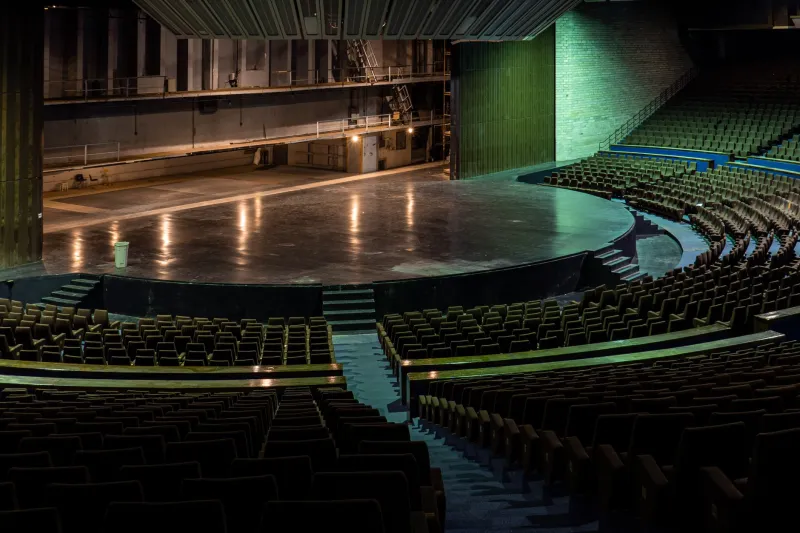
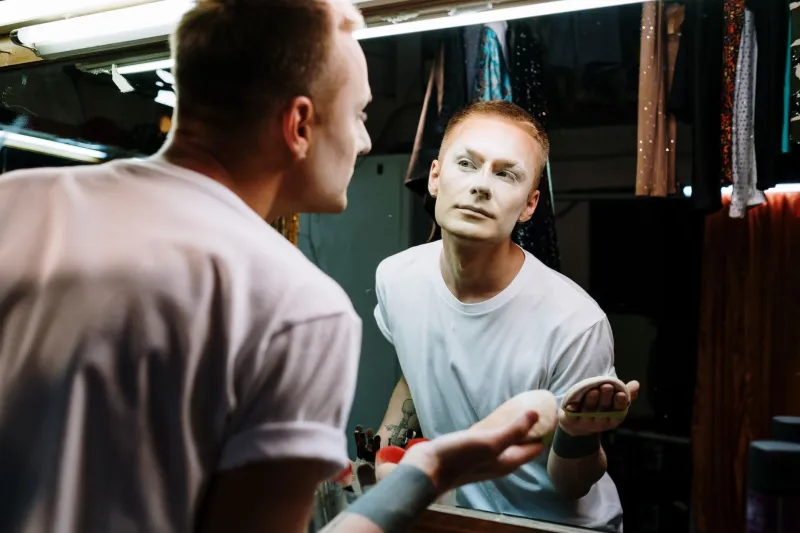
Something Happens at 2 PM: What Performers Know About Afternoon Crowds That You Don't
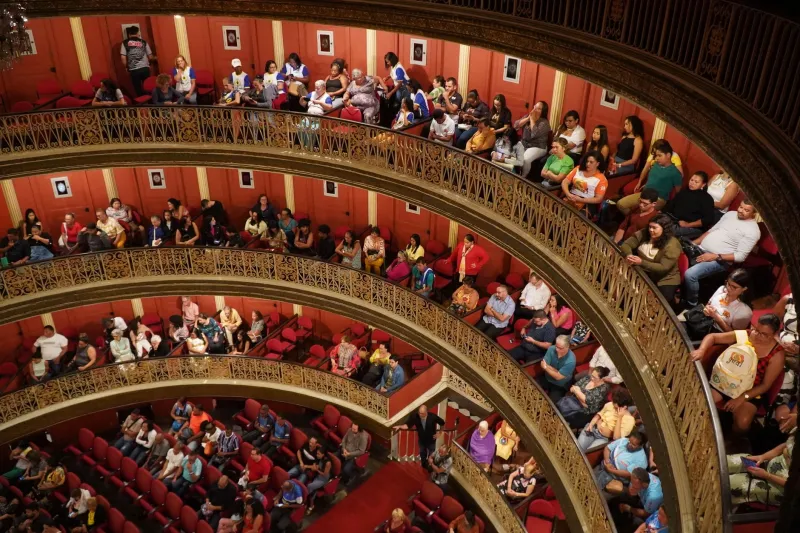
There's a moment — usually right around the first scene transition — when a seasoned performer can tell exactly what kind of night, or afternoon, they're in for. The house has its own pulse. You can feel it before a single line lands.
For actors, directors, and crew members who work both evening and matinee slots, that afternoon pulse is something they've come to recognize, study, and honestly, look forward to. The daytime crowd, it turns out, is a different beast entirely — and in the best possible way.
The Room Reads Differently in Daylight
Shannon Reyes has been performing in regional theater across the Midwest for nearly twelve years. She's done her share of 8 PM curtains, but she'll tell you without hesitation that her most memorable performances have happened at 2 in the afternoon.
"There's no pretense," she says. "Evening audiences sometimes come in performing themselves — dressed up, on dates, trying to have the right reaction. Matinee crowds come in because they genuinely want to be there. They're not checking a box. They chose a Tuesday afternoon at the theater over literally anything else they could have done."
That self-selection factor is something directors and theater managers have quietly noticed for years. Afternoon audiences — whether at a Broadway house in New York, a regional playhouse in Atlanta, or a community theater in Columbus — tend to skew toward people who planned the outing deliberately. Retirees who've attended theater for decades. Parents introducing kids to live performance for the first time. Theatergoers who simply prefer the unhurried rhythm of a daytime outing.
The result? A crowd that pays attention.
The Psychology Behind the Afternoon Lean-In
Dr. Patricia Cho, a behavioral psychologist who studies leisure and attention, has a theory about why afternoon audiences tend to be more engaged. "Cognitive load is lower in the early afternoon for most people," she explains. "You've eaten, you're not rushing to beat traffic home, you're not exhausted from a full workday. There's a window — roughly between noon and four PM — where people are genuinely receptive. They absorb more. They laugh more easily. They cry more freely."
That emotional openness is something performers describe almost universally. Marcus Webb, a lighting designer who's worked on productions from Off-Broadway to regional tours, says the technical side of things shifts too. "Evening shows, the light has to work harder to create atmosphere because the audience is already stimulated — dinner, drinks, the commute. At a matinee, people walk in a little quieter, a little more open. You don't need to do as much. The design can breathe."
It's an observation that echoes across departments. Sound engineers note that afternoon crowds tend to laugh at slightly different beats — more spontaneous, less socially calibrated. Stage managers say cue timing can shift subtly because the natural rhythm of the room is different.
What Actors Actually Feel
For performers, the afternoon audience isn't just easier — it's more rewarding in ways that are hard to quantify.
Jamie Delacroix, a veteran of multiple national tours who now performs regularly at a mid-sized theater in the Pacific Northwest, describes it this way: "Evening shows, you're fighting for the audience. Not in a bad way — it's exciting, it's electric. But matinees, you're sharing with them. There's a generosity in the room. They give it back to you faster."
That generosity shows up in measurable ways. Laughs come earlier and last longer. Emotional beats land with less buildup required. Curtain calls at afternoon shows, multiple performers noted, often feel more genuine — less performative, more like a real moment of mutual appreciation.
There's also the question of stamina. Two-show days — a matinee followed by an evening performance — are a staple of theater schedules, especially on Saturdays. Many actors say they've learned to treat the matinee as the emotional warm-up, not the lesser version of the evening show. "The afternoon crowd teaches you something every single time," says Reyes. "By the time you do the night show, you've solved problems you didn't even know you had."
The Ripple Effect on Direction
Directors are increasingly paying attention to how their work lands differently across time slots — and some are actively designing for it.
Carla Hutchins, who directs primarily at regional theaters in the South, says she schedules specific preview performances as matinees on purpose. "I want to see how the show works in that light — literally and figuratively. Afternoon audiences give me cleaner feedback. They react to what's actually happening, not to what they expected to happen."
She's noticed that comedies, in particular, play differently in the afternoon. "Timing is everything in comedy, and afternoon crowds have a different internal clock. They're not waiting for permission to laugh. They just do it. That tells you a lot about whether your jokes are actually working or whether they're just working because the evening crowd is primed."
For dramas, the calculus shifts slightly. The emotional openness of afternoon audiences means that heavy material can land harder, faster — which is both an opportunity and a responsibility. "You can't coast on atmosphere," Hutchins says. "If the work is thin, an afternoon audience will let you know. They're not going to politely wait for it to get better."
The Afternoon as Its Own Art Form
There's something worth sitting with here. The matinee has historically been treated as the secondary option — the show you see when you can't get evening tickets, or the one that's slightly cheaper, slightly less prestigious. That framing is shifting.
As more performers and directors openly discuss the distinct quality of afternoon work, and as audiences increasingly seek out the less-crowded, more intimate experience that daytime shows offer, the matinee is getting a quiet reappraisal.
Marcus Webb, the lighting designer, puts it simply: "Evening shows are the main event in people's minds. But the best performances I've ever worked on? A lot of them happened in the afternoon. There's something about that light — inside the theater and out — that makes people more themselves."
Next time you're weighing a 2 PM curtain against a Saturday night show, consider what you might actually be choosing: a room full of people who showed up exactly because they wanted to, watched by performers who've learned to love what that energy does to their work.
The afternoon, it turns out, isn't the warm-up act. It might just be the main event.