Chop, Stir, Breathe: Why Afternoon Cooking Classes Are the Midweek Reset You Didn't Know You Needed
There's a particular kind of Tuesday afternoon energy that no productivity hack can fix. You've answered the emails, sat through the calls, stared at the same paragraph for twenty minutes. Your brain is technically present, but the rest of you has quietly checked out. For a growing number of people across the country, the answer isn't another espresso or a doom-scroll session — it's tying on an apron and learning how to properly deglaze a pan.
Afternoon cooking classes are having a genuine moment right now, and the reasons go well beyond a love of good food.
The 2 PM Kitchen: A Different Kind of Classroom
Walk into a daytime culinary class at somewhere like The Brooklyn Kitchen, Sur La Table's hands-on sessions, or any number of independent cooking studios popping up in cities from Nashville to Portland, and you'll notice the vibe is immediately distinct from what you'd expect at a 7 PM session. The energy is quieter, more focused, almost meditative. People aren't rushing in from the office still buzzing from back-to-back meetings. They've made a deliberate choice to be there, mid-afternoon, mid-week, with flour on their hands.
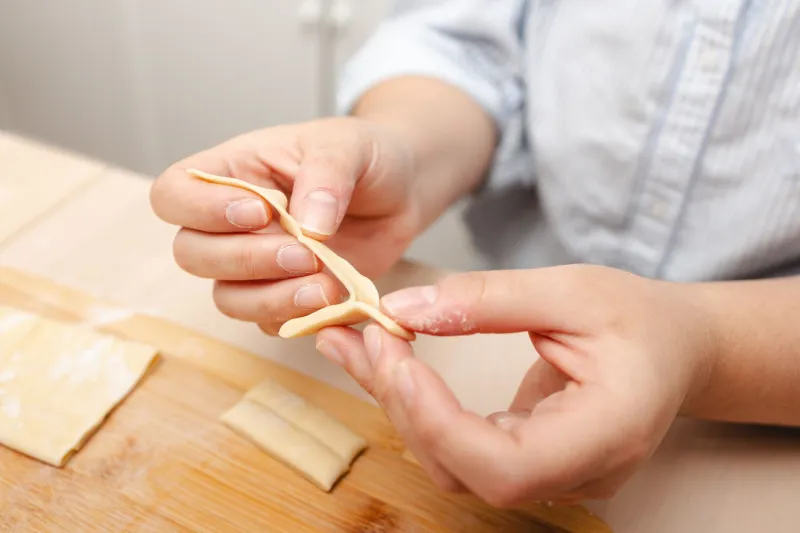
"The afternoon students come in with this intentionality that's really different," says culinary instructor Dana Reyes, who teaches pasta-making and knife skills workshops at a studio in Chicago's West Loop neighborhood. "They're not trying to impress anyone or make it a date night thing. They genuinely want to learn, and because they're not exhausted from a full day yet, they absorb everything so much faster."
Reyes started offering Wednesday and Thursday afternoon slots about two years ago, mostly as an experiment. Those classes filled up within days and have stayed consistently booked ever since.
Hands-On Learning as a Mental Palate Cleanser
There's real science behind why doing something physical and skill-based in the middle of a cognitively demanding day feels so restorative. Activities that require focused manual attention — kneading dough, practicing brunoise cuts, tempering chocolate — engage different neural pathways than the abstract, screen-based thinking most of us do for work. It's the same reason adult coloring books had their moment, or why puzzles surged during the pandemic. Your hands are busy, your mind gets a genuine rest.
Marco Tillman, a UX designer based in Austin, started attending a Tuesday afternoon knife skills class at a local culinary school after his therapist suggested he find something tactile to break up his workweek. "I work remotely, so my whole day is just screens and Slack," he says. "The first time I walked out of that class, I felt like I'd actually been somewhere. Like my afternoon had a shape to it."
That sense of a shaped, purposeful afternoon is something participants mention over and over. Unlike a gym session — which can feel like another item on the to-do list — cooking class delivers a tangible, edible result. You made something. You can taste it. That feedback loop is deeply satisfying in a way that's hard to replicate.
The Social Layer Nobody Talks About
One underrated aspect of the afternoon cooking class trend is what happens between the chopping and the plating. Midday classes tend to attract a genuinely eclectic mix of people — freelancers with flexible schedules, shift workers on days off, parents whose kids are in school, retirees, remote employees carving out personal time. The absence of a specific social scene (no first dates, no bachelorette parties) creates a more relaxed, conversational atmosphere.
"I've met some of my closest friends in afternoon cooking classes," says Priya Nair, a freelance copywriter in Seattle who attends a weekly afternoon baking session. "There's no agenda. You're just standing next to someone laminating croissant dough for two hours and you end up having the most real conversations."
Instructors have noticed this too. The collaborative nature of cooking — sharing stations, tasting each other's work, troubleshooting together — builds a kind of low-stakes camaraderie that evening classes, often more performance-oriented, sometimes miss.
What People Are Actually Learning
The most popular afternoon class formats tend to lean toward the foundational and the deeply satisfying: fresh pasta and sauce work, bread baking, sushi rolling, knife technique, and regional cuisine deep-dives like Oaxacan mole or Vietnamese pho from scratch. These aren't quick weeknight hacks. They're techniques that take time to learn properly — which is exactly why the unhurried afternoon slot suits them so well.
"Nobody wants to make croissants at 7 PM on a Wednesday after work," laughs culinary instructor and cookbook author Simone Park, who runs afternoon workshops out of her Philadelphia studio. "But at 1 PM on a Thursday? People are all in. They have the patience for it. They actually enjoy the process instead of just rushing to the finish line."
Park points out that daytime students tend to ask more questions, experiment more freely, and leave with a deeper understanding of technique — partly because the time pressure is lower, and partly because they came specifically to be present.
Building It Into Your Routine
For anyone curious about trying this out, the entry points are more accessible than you might think. Many culinary schools and cooking studios offer single-session drop-ins starting anywhere from $45 to $120 depending on the format and location — no long-term commitment required. Platforms like Cozymeal and CourseHorse list afternoon availability in most major US cities and make it easy to browse by cuisine, skill level, and time slot.
If you work a traditional nine-to-five, some studios are even beginning to partner with companies to offer team-building afternoon sessions as a workplace wellness benefit — a trend that's picking up steam in cities like New York, San Francisco, and Chicago.
The broader takeaway, though, isn't really about cooking at all. It's about what we choose to do with the hours between noon and five — hours that too many of us treat as purely transactional, something to get through rather than something to actually inhabit.
An afternoon cooking class doesn't just teach you how to make gnocchi or break down a whole chicken. It teaches you that the middle of the day can be rich, pleasurable, and entirely your own. That's a skill worth learning, whatever you end up putting on the plate.