Why Afternoon Crowds Bring Down the House Harder Than Anyone Expected

Ask any seasoned performer which crowd they secretly love most, and a surprising number will lean in and whisper: the matinee. Not the glittery Saturday night show packed with first-daters and expense-account clients. Not the Friday opening with critics scribbling in the dark. The Wednesday afternoon crowd. The Sunday 2 PM house. The one where people show up in comfortable shoes and leave visibly moved.
There's something happening in those sunlit afternoon houses that's got performers, stage managers, and audience researchers genuinely talking — and the answers are more fascinating than you'd expect.
The Standing Ovation Problem (And Why Matinees Solve It)
Let's be honest about something: evening standing ovations have gotten a little... automatic. In major American theater markets like New York, Chicago, and Los Angeles, audiences have developed a kind of reflexive leap-to-their-feet response that happens regardless of whether the show genuinely floored them. It's social pressure dressed up as appreciation.
Matinee crowds? Different story entirely.
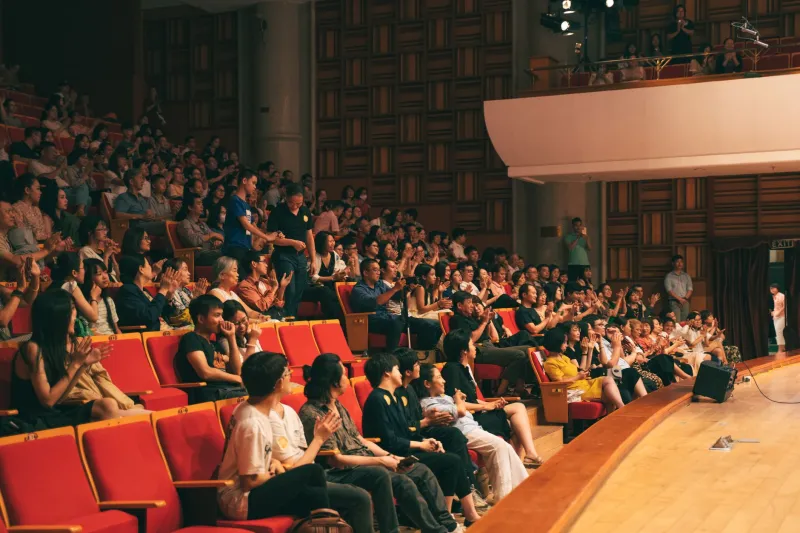
When an afternoon audience rises — and they do rise, often explosively — it tends to mean something. Theater veterans describe it as a more earned response, one that comes from a crowd that wasn't already primed by two glasses of Malbec and a desire to seem cultured in front of their dinner companions.
"Evening crowds come in already performing," says one Broadway stage manager who's worked both slots for over a decade. "They've dressed up, they've made a night of it, they want to feel like they had a great time. Matinee audiences come in to actually watch the show. When they stand up at the end, you feel it differently. It lands in your chest."
What the Research Actually Says About Daytime Attention
Audience behavior researchers have long noted that the human brain operates differently depending on the time of day — and those differences don't disappear just because you've walked into a theater.
In the early afternoon, cognitive alertness tends to peak for a second time after the post-lunch dip clears (usually around 2–3 PM for most adults). Emotional processing centers are active, but the prefrontal cortex — the part of the brain responsible for self-consciousness and social monitoring — isn't running on the same high-alert social anxiety it experiences in evening settings.
Translation: afternoon audiences are more likely to laugh when something is funny, cry when something is sad, and applaud when something genuinely moves them — without stopping to check whether the person next to them is doing the same thing first.
This disinhibition effect, subtle as it sounds, has enormous implications for how performers experience their audience. A laugh that comes a half-beat earlier, a gasp that isn't suppressed, a silence that actually feels like listening rather than polite waiting — these micro-responses compound across a 90-minute show into something performers describe as electric.
The Demographic Factor Nobody Talks About Enough
Matinee audiences in America tend to skew toward two groups that don't get nearly enough credit as theatergoers: retirees and parents with school-age children.
Both groups bring something genuinely rare to a live performance: undivided presence.
Retirees, freed from the mental overhead of work deadlines and evening obligations, often describe afternoon shows as the cultural event of their week. They've done their research. They know the material. They're not distracted by what's waiting in their inbox. And they are not shy about letting a performer know when something landed.
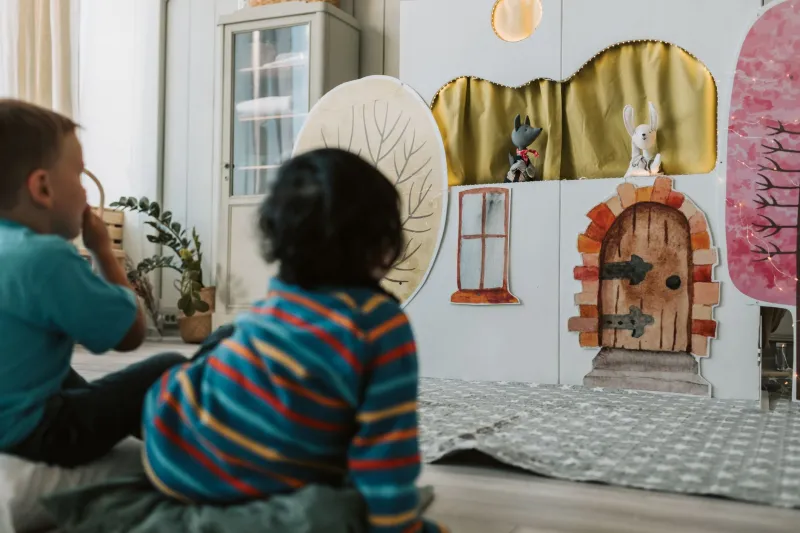
Parents attending afternoon shows with kids — particularly at family matinees — bring a different but equally potent energy. Children are famously unfiltered audience members. They gasp audibly. They laugh from their whole bodies. They don't know they're supposed to wait and see if everyone else is clapping before they start. And that energy, researchers suggest, is genuinely contagious. Adults sitting next to uninhibited children tend to relax their own performance-watching performance.
"Kids give you permission to just feel things," one regional theater director in the Midwest put it. "And the adults around them follow suit. A matinee with families in the house is one of the most alive rooms you'll ever perform in."
What Performers Actually Notice
Talk to enough actors, dancers, and musicians about matinee versus evening crowds, and patterns emerge quickly.
Performers consistently describe afternoon audiences as more present — a word that comes up again and again. Evening crowds, particularly at high-profile shows or opening-adjacent performances, can feel like they're watching with a slight remove, processing the show through a lens of what they'll say about it later. Matinee crowds, by contrast, seem to be experiencing the show in real time, without the buffer.
Comedy performers are particularly vocal about this. The laugh rhythm in a matinee, several stand-ups and musical comedy actors report, is simply more honest. People laugh when they find something funny, not when social cues tell them it's okay to laugh.
Drama performers note something different but equally compelling: the quality of silence. In theater, silence is a tool, a response, a form of communication between stage and house. The silence of an engaged afternoon crowd — particularly during a difficult emotional scene — has a texture that evening silences often lack. It's fuller. More held. Like the audience is collectively holding its breath rather than collectively waiting for their cue to respond.
"I've had matinee performances where I could feel the audience thinking," says one actor currently performing in a dramatic play in a mid-sized American city. "Not just watching — actually processing something in real time alongside me. That's the whole reason you do live theater. That's it, right there."
The Case for Choosing the Afternoon
If you've been treating matinee tickets as the consolation prize — the option you take when the evening shows are sold out, or when you're trying to save a few dollars — it might be time to reconsider.
The afternoon performance isn't a lesser version of the evening show. In many cases, it's a more intimate, more responsive, more genuinely electric version of it. The performers often say so themselves.
There's also something quietly radical about choosing to spend your afternoon this way — about deciding that culture doesn't have to wait until after dark, that the best experiences don't require dim lighting and a dress code. The matinee crowd has figured something out that evening audiences are still working toward: you don't have to perform going to the theater. You can just go.
And when the curtain comes down and the house rises — not because it's expected, but because it couldn't help itself — that's when you understand exactly what all those performers were talking about.